




If you are thinking about a mobility scooter, the most important thing to know is this: powered mobility is not one-size-fits-all, and buying too quickly is the fastest way to end up with the wrong solution. How to ensure your loved ones enjoy every step with confidence starts with slowing down, understanding real needs, and matching the right technology to daily life, not to marketing promises.
Every week, caregivers tell us the same story. They wanted to help. They wanted safety, comfort, and independence. They bought fast, and later discovered the product did not fit the home, the body, or the lifestyle. This guide exists so you do not repeat that experience.
Before you buy: the 60-second check to see if you even need powered mobility
Before looking at mobility scooters, ask these five questions. Answering honestly often saves thousands of dollars and months of frustration.
- Can your loved one walk safely short distances with support, such as a rollator or walking frame?
- Is fatigue the main issue, or is balance and control the bigger risk?
- Will the device be used mostly indoors, mostly outdoors, or equally both?
- Can they safely transfer on and off a seat independently?
- Is cognitive function stable enough to manage speed, braking, and steering?
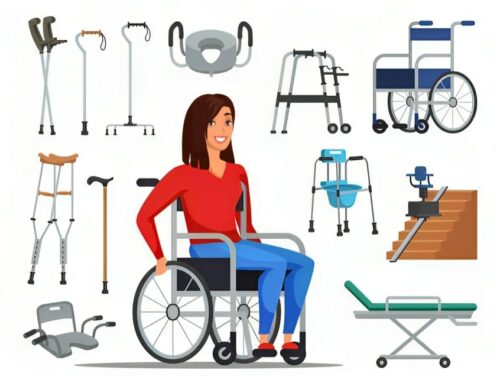
If balance, reaction time, or upper body control is limited, a power chair or one of the modern electric wheelchairs may be safer than a mobility scooter. If walking is still possible with support, high-quality mobility aids like rollators can preserve strength longer.
This quick check moves buyers from latent pain to acknowledged pain, and prevents a rushed decision at the conversion stage.
Mobility scooter vs power wheelchair vs rollator: which one fits your real needs
Choosing between mobility scooters, power wheelchairs, and rollators is less about labels and more about function.
- Rollators and walkers Best for people who can walk but need balance support and rest breaks. They encourage movement and muscle use.
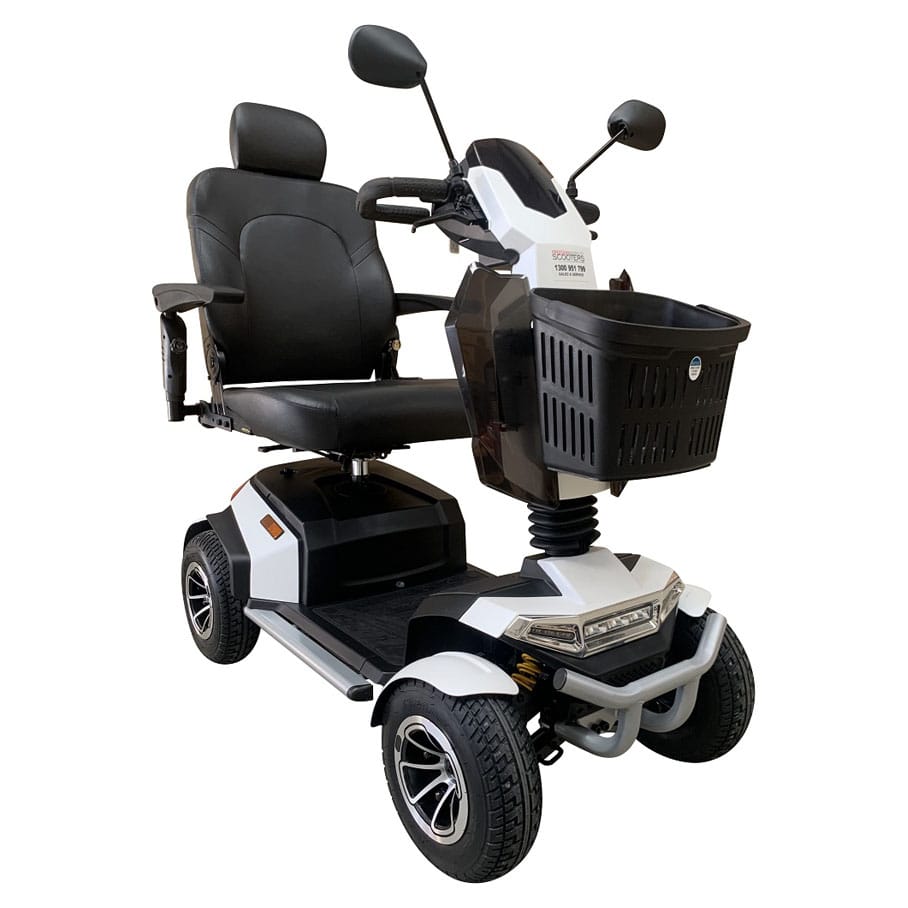
- Mobility scooters Best for people with reasonable trunk control and hand strength who mainly need help with distance and fatigue.
- Power wheelchairs and power chair solutions Best for users with limited strength, coordination, or endurance, especially indoors or in tight spaces.
Electric wheelchairs offer joystick control, tighter turning circles, and better positioning support than scooters, which matters in homes, apartments, and medical environments.
The #1 mistake people make when buying a mobility scooter (and how to avoid it)
The most common mistake is buying based on price or speed instead of safety and fit.
A scooter that is too large, too fast, or poorly matched to strength levels increases fall risk and anxiety. Caregivers often say, “They stopped using it after two weeks.”
Avoid this by insisting on real-world trials, honest conversations about limitations, and professional guidance. Worried about choosing the wrong mobility aid? Our experts are here, and that guidance is often what saves the purchase.
Where you’ll use it matters most: indoor, pavement, rough paths, or mixed terrain
Usage environment should dictate your decision more than appearance or brand.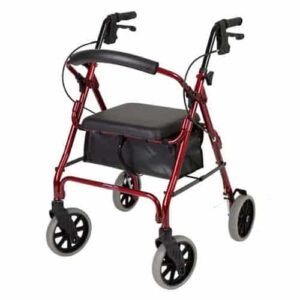
- Indoor use requires tight turning radius, smooth throttle response, and compact dimensions.
- Pavement and shopping centres require stability, moderate suspension, and predictable braking.
- Rough paths and uneven ground demand larger wheels, higher ground clearance, and better suspension.
- Mixed terrain requires compromise, and often points users toward power wheelchairs rather than scooters.
Buying without mapping usage locations is one of the fastest ways to mismatch equipment.
3-wheel vs 4-wheel scooters: stability, turning, and who should choose what
Three-wheel scooters turn more tightly and feel lighter to steer, but they sacrifice stability. Four-wheel scooters track straighter and feel more secure, especially for beginners or users with reduced balance.
If safety confidence is low, four-wheel models are usually the better choice. If maneuverability in shops is critical and balance is strong, three-wheel designs can work.
Travel or portable vs full-size scooters: what you gain and give up with each
Portable scooters fold or disassemble, making them easier to transport. The trade-off is reduced suspension, shorter battery range, and smaller seats.
Full-size scooters deliver comfort, stability, and endurance, but require vehicle hoists or ramps.
Think honestly about lifting, storage, and car boot space. If portability becomes a burden, the scooter will stay at home unused.
Battery range: how far you can really go and what drains power faster
Manufacturers quote ideal conditions. Real-world range is often 20 to 40 percent less.
Battery drain increases with:
- User weight
- Hills and ramps
- Rough surfaces
- Frequent stopping and starting
- Cold temperatures
This is where many electric wheelchairs outperform scooters, as their systems are designed for consistent daily use rather than occasional trips.
Speed, braking, and control: what feels safe for beginners and unsteady hands
Higher top speed does not equal better mobility. Smooth acceleration, responsive braking, and intuitive controls matter far more.
For users with arthritis, tremor, or reduced grip, a power chair with programmable controls is often safer than a scooter with manual throttle levers.
Safety confidence directly impacts usage consistency.
Weight capacity and seat sizing: comfort, fit, and safety in one checklist
Seat width, depth, and weight rating are not optional details. Poor fit leads to pressure points, poor posture, and fatigue.
A simple checklist:
- Feet rest flat and supported
- Hips are not compressed
- Backrest supports upright posture
- Weight capacity exceeds user weight by a safe margin
This applies equally to mobility scooters and power wheelchairs.
Suspension, tires, and ground clearance: what you need for bumps, ramps, and cracks
Solid tires require less maintenance but transmit vibration. Pneumatic tires absorb shock but need care.
Suspension matters more than most buyers expect. Poor suspension causes discomfort and discourages use, especially for older adults or those recovering from surgery.
Car transport and storage: folding, disassembly, and lifting concerns
Be honest about lifting ability. Many “portable” scooters still require 15 to 20 kilograms per component.
If lifting is unsafe, consider vehicle hoists or reassess whether a power chair with alternative transport solutions is more realistic.
Must-have safety features: lights, reflectors, anti-tip, horn, and speed controls
At minimum, powered mobility devices should include:
- Front and rear lights
- Reflectors
- Anti-tip wheels
- Audible horn
- Adjustable speed settings
These features are not extras. They are basic safety requirements.
What powered mobility costs and how to avoid overpaying
Approximate Australian ranges:
- Portable mobility scooters: $2,000 to $4,000
- Full-size mobility scooters: $4,000 to $8,000
- Power wheelchairs and electric wheelchairs: $5,000 to $15,000+
Rentals and trials can prevent expensive mistakes. Used equipment may save money but carries risk without professional inspection.
Try-before-you-buy guide: what to test in a showroom or at home
At Able Medilink, trials are encouraged because confidence comes from experience.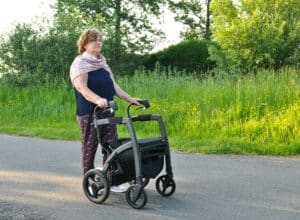
Test:
- Transfers on and off
- Turning in tight spaces
- Braking on slopes
- Comfort after 15 minutes
- Ease of control under stress
This simple process reduces anxiety and builds trust.
Powered mobility FAQs: insurance, upkeep, batteries, and “will I get weaker?”
- Insurance: Home and contents insurance may cover some devices. Check policies.
- Upkeep: Regular battery charging and annual servicing extend lifespan.
- Batteries: Expect replacement every 18 to 36 months depending on use.
- Will I get weaker? Not necessarily. The right mobility aids reduce fall risk while preserving energy for meaningful movement and engagement.
A simple 3-step process to get it right
Step 1: Assess Understand physical ability, environment, and future needs.
Step 2: Trial Test multiple options, including scooters and power wheelchairs.
Step 3: Support Choose a provider who offers education, servicing, and after-sales care.
Believe in better? See how we are changing lives with every product by focusing on fit, safety, and long-term confidence rather than fast sales.
If you are Australia-wide or visiting our Bentleigh showroom in Melbourne, our team is here to guide, not pressure. Do not let fear of the wrong choice stop you. We guide, you decide.
If this article helped, share it with another caregiver who might be feeling overwhelmed, or visit Able Medilink to explore powered mobility solutions with confidence.