




Feeling unsteady on your feet is one of the earliest and most important signs that the right mobility or walking aids could dramatically reduce your risk of falls and restore confidence in everyday movement. How to ensure your loved ones enjoy every step with confidence starts with understanding that instability is not a normal or harmless part of ageing, and believing in better is often the first step toward safer, more independent living.
Falls are one of the leading causes of injury-related hospitalisations among older Australians, and many of these falls are preventable with the correct mobility aid, proper fitting, and expert guidance. At Able Medilink, we work with caregivers every day who worry about choosing the wrong solution, missing early warning signs, or waiting too long to act. This guide is designed to remove that uncertainty and replace it with clarity, confidence, and practical next steps.
The #1 sign you need a mobility or walking aid (and it’s not “being old”)
The most reliable indicator that someone needs a mobility aid is not age, diagnosis, or pride. It is behavioural change. If a person has started slowing down, avoiding outings, holding furniture while walking, or declining activities they once enjoyed, their body is already compensating for instability.
Many caregivers miss this stage because there has not yet been a fall. The reality is that the body gives warnings long before an accident happens. These include reduced stride length, shuffling, hesitation when turning, or visible tension when walking on uneven ground. Addressing these signs early with appropriate walking aids can prevent injuries rather than reacting to them.
Why people get unsteady on their feet: balance, weakness, pain, or dizziness
Unsteadiness rarely has a single cause. It is usually a combination of factors that compound over time.
Common contributors include:
- Reduced muscle strength in the legs and core, often due to inactivity or recovery from illness.
- Balance system changes related to inner ear issues, neurological conditions, or ageing.
- Joint pain from arthritis or injury that alters walking patterns.
- Dizziness caused by medications, dehydration, or blood pressure fluctuations.
Understanding the root cause helps determine which walking aids will provide genuine support rather than creating new problems.
“Am I about to fall?” quick self-check you can do at home today
A simple self-check can highlight early risk. Ask the person to stand up from a chair without using their hands. Then ask them to walk ten steps, turn, and return. If they struggle, wobble, grab nearby objects, or appear anxious, a mobility aid should be considered immediately.
This is not a diagnosis, but it is a practical signal that the body is asking for support.
Walking aids 101: what they do (support, balance, confidence, pain relief)
Walking aids serve four core functions. They redistribute weight, improve balance, reduce pain through load sharing, and restore confidence. Confidence is often overlooked, yet fear of falling alone can significantly increase fall risk.
At Able Medilink, caregivers often tell us that once the right aid is introduced, their loved one moves more naturally and safely because the fear response decreases.
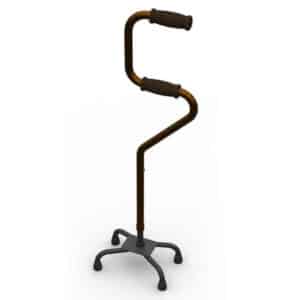 Cane vs quad cane: who should use each and how to choose the right handle
Standard canes are suitable for mild balance issues or unilateral weakness. Quad canes, with four points of contact, offer greater stability for those with more pronounced balance challenges.
Handle choice matters. Ergonomic handles reduce wrist strain, while offset handles improve weight distribution. Walking sticks should never be chosen purely on appearance, as incorrect design can worsen posture and instability.
Crutches (underarm vs forearm): when they help and when they make walking worse
Crutches are often prescribed short term, yet they are frequently misused. Underarm crutches can cause nerve compression if fitted incorrectly. Forearm crutches offer better control and are preferred for longer-term use.
Crutches are appropriate when weight-bearing must be reduced, but they require sufficient upper body strength. For many older adults, walking frames or rollators provide safer support.
Walkers and rollators: which one is safer for indoor vs outdoor use
Walking frames are ideal for indoor environments where maximum stability is required. Rollators, with wheels and brakes, are better suited to outdoor use and longer distances.
Choosing between them depends on strength, coordination, and environment. A wide range of options exists, and professional guidance ensures the correct match.
Wheelchair vs mobility scooter: when walking aids are no longer enough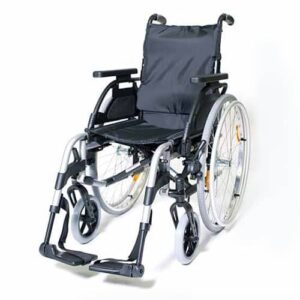
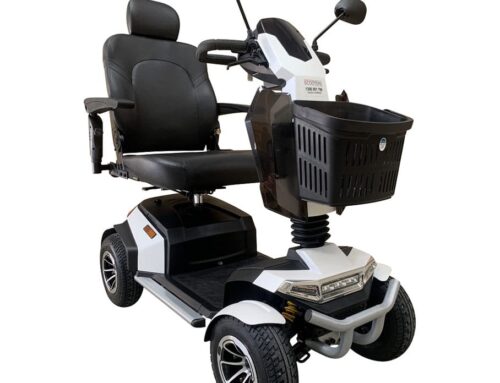
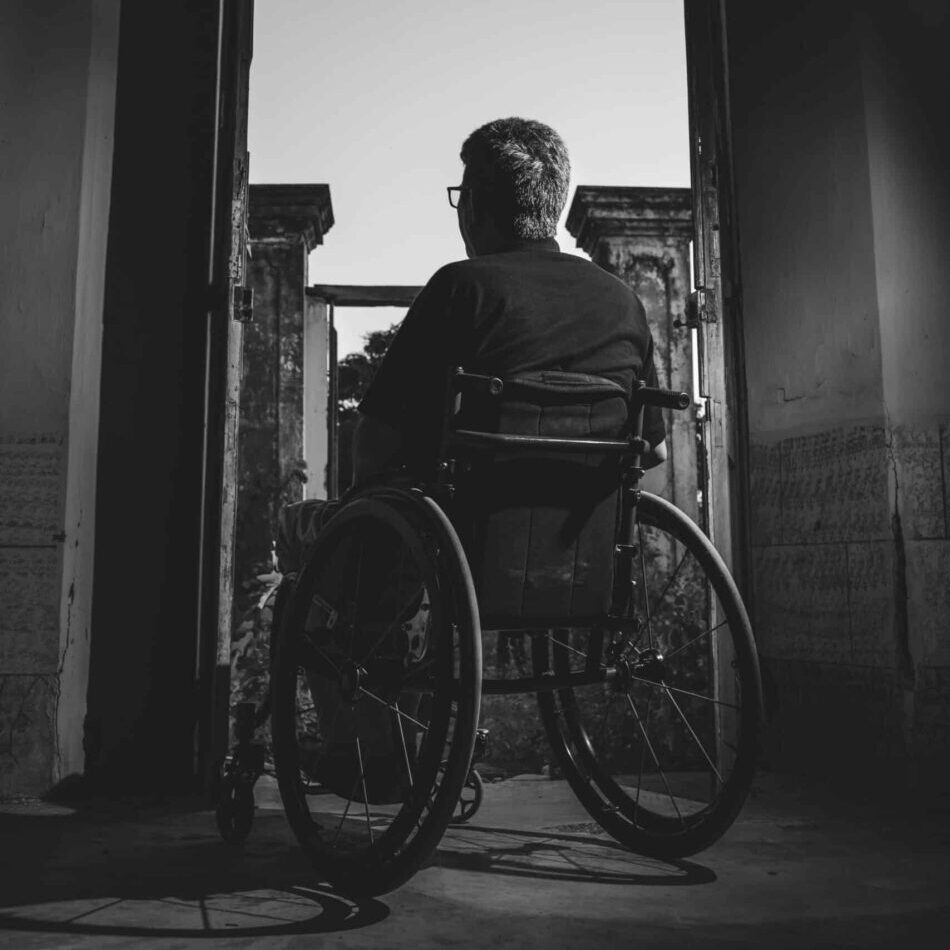
When walking aids no longer provide safe mobility, seated options may be necessary. Manual wheelchairs are suitable for short distances or assisted use. Mobility scooters support independent outdoor travel for those with limited walking tolerance but good cognitive function.
This transition is not a failure. It is a safety decision that preserves energy, independence, and participation.
How to fit your walking aid correctly (height, posture, and grip)
Incorrect fitting is one of the biggest causes of mobility aid injuries. The handle height should align with the wrist crease when standing upright. Elbows should bend slightly, and shoulders should remain relaxed.
Able Medilink provides in-store fitting and expert consultation to ensure safety from day one.
How to walk safely with an aid on stairs, curbs, and uneven ground
Technique matters as much as equipment. The general rule is “the aid moves first, then the weaker leg, then the stronger leg.” On stairs, the phrase “up with the good, down with the bad” helps reinforce safe sequencing.
Training reduces fear and prevents misuse that can increase fall risk.
Common mobility aid mistakes that actually increase fall risk
Common errors include choosing aids that are too light, too heavy, or incorrectly adjusted. Using walking aids without brakes engaged, carrying items improperly, or refusing to use the aid consistently also increases risk.
Education is essential, not optional.
Comfort + safety upgrades that help (tips, brakes, seats, baskets, lights)
Small upgrades can make a significant difference. Non-slip tips, ergonomic grips, integrated seats, storage baskets, and reflective lighting all enhance safety and usability. These accessories are often overlooked but can transform daily experience.
Cost and coverage: what mobility aids typically cost and how people get them
Costs vary widely depending on complexity. Basic walking sticks are affordable, while advanced walking frames or manual wheelchairs represent a higher investment. Many Australians access funding through the NDIS, private health insurance, or rehabilitation programs.
Able Medilink supports caregivers in navigating these options to reduce financial stress.
When to talk to a physical therapist or doctor (and what to ask for)
Professional input is recommended when falls occur, pain worsens, or confidence declines rapidly. Ask about gait assessment, strength training, and aid recommendations. Collaboration leads to better outcomes.
 Your loved ones deserve the best. Let’s make it happen together. If you are worried about choosing the wrong mobility aid, our experts are here. Able Medilink offers a wide range of high-quality walking aids, walking frames, walking sticks, manual wheelchairs, and more, with expert multilingual support both online and at our Bentleigh showroom in Melbourne.
If this guide helped you, consider sharing it with another caregiver or leaving a comment with your questions. Seeing them smile with newfound independence can start today.