





Rollators vs. Walkers: A Comprehensive Guide
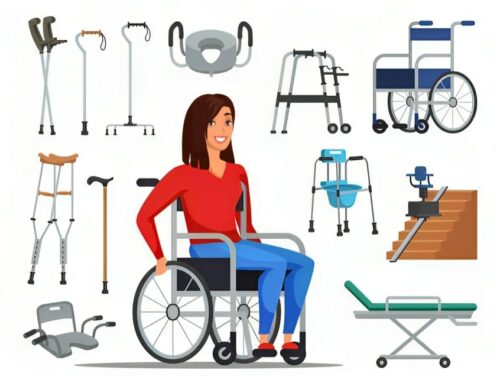
Choosing between a rollator and a walker is a crucial decision for enhancing mobility. Imagine reclaiming your independence with ease; that’s the power of understanding the key differences between these two aids. Rollators and walkers both offer essential support and stability for individuals facing challenges with walking or maintaining balance. Yet, recognizing their unique features is pivotal, as it directly influences selecting the most beneficial option tailored to personal requirements.
What Is a Rollator?
A rollator, often referred to as a rolling walker, is a mobility aid designed to assist individuals with walking. It typically features a sturdy metal frame and larger wheels, making it ideal for navigating over uneven surfaces. Most rollators come equipped with a seat, allowing the user to rest as needed, and they often have hand brakes for additional safety. These features make rollators a popular choice for those who require support but also value independence in mobility.
What Is a Walker?
A walker is another type of walking aid, usually consisting of a lightweight metal frame. Unlike rollators, standard walkers do not have wheels on all four legs; some models may feature front wheels while others require the user to lift the walker with each step. This design aids in stability and is particularly beneficial for individuals who need significant support with balance and upper body strength.
What is the Difference Between a Rollator and a Walker?
The key difference between a rollator and a walker lies in their design and intended use. Rollators, equipped with larger wheels, are specifically designed to provide optimal maneuverability and stability on various terrains, making them ideal for outdoor use or navigating uneven surfaces with ease. With their enhanced mobility features, rollators offer a smooth and effortless movement, requiring less exertion to propel forward.
On the other hand, walkers prioritize stability and support, making them more suitable for indoor use or on flat surfaces. Their design focuses on providing a secure and sturdy frame, ensuring enhanced balance and confidence while walking. Walkers offer reliable assistance, especially for those who require additional stability and assistance in their mobility.
Both rollators and walkers serve as valuable aids in improving mobility and independence, but their distinct features cater to different needs and preferences.
When Should You Use a Walker?

A walker is most beneficial for individuals who need significant support in maintaining balance or who have limited upper body strength. Its design necessitates lifting the walker for movement, which can provide a higher level of stability but may also require more physical effort. This type of walker is often recommended for indoor use or in areas with flat, even surfaces.
Furthermore, the walker’s sturdy frame and wide base contribute to its stability, allowing users to feel secure and confident while walking. The height-adjustable handles provide customizable support, ensuring optimal comfort for individuals of varying heights. Additionally, some walkers come equipped with convenient features like storage pouches or built-in seats, offering extra convenience and versatility.
Whether it’s for rehabilitation purposes, daily mobility assistance, or simply to enhance overall stability and independence, a walker proves to be an invaluable aid for those in need.
When Should You Use a Rollator?
A rollator, also known as a rolling walker, is an ideal mobility aid for individuals who can walk independently but may require occasional support. Designed with wheels, it offers enhanced maneuverability, particularly on uneven terrain or when covering longer distances.
Moreover, rollators are equipped with a built-in seat, allowing users to sit and rest comfortably whenever needed. These versatile features make rollators a practical choice for both indoor and outdoor use, providing individuals with the freedom and confidence to maintain an active lifestyle while ensuring their safety and well-being.
Understanding the Benefits of Rollators and Walkers
Benefits of Rollators
- Enhanced Mobility: With their larger wheels, rollators are adept at handling uneven surfaces, making them ideal for both indoor and outdoor use.
- Built-In Seat: This feature allows users to rest whenever needed, offering convenience during longer walks or outings.
- Storage Options: Many rollators come with baskets or pouches, providing space to carry personal items.
- Ease of Use: The wheeled design requires less physical effort, making them suitable for those with limited strength.
- Safety Features: Equipped with hand brakes, rollators offer increased control, especially on slopes or uneven terrain.
- Adjustable Height: Most rollators are height adjustable, ensuring a comfortable fit for users of different statures.
Benefits of Walkers
- Increased Stability: Walkers provide a stable support structure, ideal for those with significant balance issues.
- Lightweight Design: Most walkers have a lightweight metal frame, making them easy to lift and maneuver.
- Customizable: Walkers can be equipped with front wheels or glide tips to suit different needs and surfaces.
- Compactness: Many walkers are foldable, making them easy to store and transport.
- Suitable for Post-Injury Recovery: Ideal for those recovering from surgery or injury, offering substantial support during mobility.
- Affordable: Generally, walkers are less expensive than rollators, making them a budget-friendly option.
How to Choose the Right Mobility Aid for Your Needs
Choosing between a rollator and a walker depends on several factors:
- Evaluate Your Mobility Level: Consider how much support you need for walking. If you have severe balance issues or need to offload more body weight, a walker might be more suitable.
- Consider Your Living Environment: For those living in areas with uneven terrain, a rollator with larger wheels is ideal. For mostly indoor use, a standard walker may suffice.
- Assess Physical Strength and Endurance: If lifting a walker is a challenge, a rollator might be a better option. Conversely, if upper body strength is adequate, a walker can provide more stability.
- Transportation and Storage Needs: Think about how you will transport the mobility aid. Rollators, while foldable, can be bulkier than walkers.
- Personal Lifestyle: If you’re an active person who goes out frequently, a rollator with a seat and storage space might be more practical.
- Budget Considerations: Rollators generally cost more than walkers, so consider your budget when making a choice.
Tips for Using a Rollator or Walker Safely

- Proper Height Adjustment: Ensure the handles are at wrist height when standing upright. This height adjustment prevents strain on the shoulders and back.
- Regular Maintenance: Regularly check the condition of the walker or rollator, especially the integrity of the frame and the condition of the wheels and brakes.
- Safe Navigation Techniques: Learn to maneuver your mobility aid safely, especially when turning or navigating through narrow spaces.
- Correct Posture: Maintain an upright posture to avoid strain and promote better breathing.
- Use on Appropriate Surfaces: Be mindful of the surfaces you use your walker or rollator on. Avoid overly uneven terrain with a standard walker.
- Attending Training Sessions: If available, attend training sessions on how to use your mobility aid effectively and safely.
Able Medilink: Your Trusted Partner in Choosing the Right Mobility Aid
Whether you opt for a rollator or walker, each provides valuable support to maintain independence and mobility. At Able Medilink, located conveniently in Bentleigh, Melbourne, we understand the importance of choosing the right mobility aid. Our knowledgeable staff is fluent in English, Russian, and Chinese, ready to assist you in finding the perfect solution tailored to your needs. Visit our showroom or explore our online store for a wide range of high-quality mobility aids. Remember, your comfort and safety are our top priorities. Share your experiences or inquiries with us, and let’s find the right mobility aid together!