





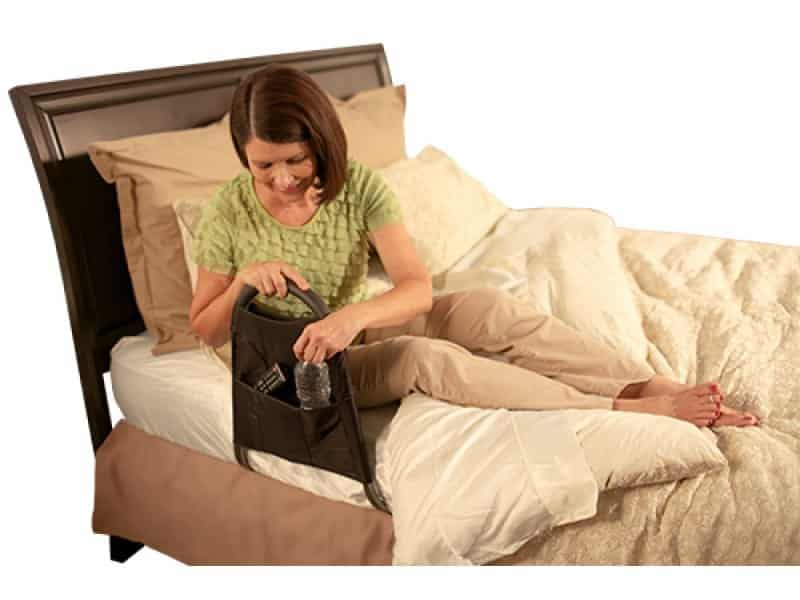
Getting in and out of bed hurts because the body is forced to move from a fully supported position to load bearing too quickly, often with poor alignment and unnecessary strain on the joints and spine. How to ensure your loved ones enjoy every step with confidence starts here, because pain at the start and end of the day is not something you should simply push through. Believe in better? See how we are changing lives with every product and technique by focusing on safer movement, better support, and smarter beds and mattresses designed for real bodies, not showroom displays.
Why getting in and out of bed hurts (and why it often gets worse over time)
Pain during bed transfers usually begins quietly. A small twinge in the lower back. Stiff hips in the morning. A knee that protests when weight shifts too fast. Over time, this discomfort compounds because the same flawed movement pattern is repeated every day.
Common contributors include:
- Reduced joint flexibility with age or injury
- Weak core or hip stabilising muscles
- Poor mattress support or incorrect bed height
When caregivers notice a loved one hesitating before standing, gripping furniture, or avoiding lying down altogether, that is often a sign the pain has progressed from latent to acknowledged. Ignoring it increases fall risk and loss of independence.
The fastest fix: change how you move, not how hard you “push through”
Pain is rarely solved by effort. Pushing harder usually increases strain. The fastest improvement comes from changing mechanics.
Instead of twisting, sitting straight up, or yanking on the mattress edge, the goal is to keep the spine neutral and distribute load gradually. This approach protects the back, hips, and knees while conserving energy.
Caregivers often feel relief themselves once they stop assisting with brute force and start guiding safer movement patterns.
The log roll method for safer, less painful bed exits (step by step)
The log roll is one of the most reliable techniques used in rehabilitation settings because it reduces spinal rotation and sudden loading.
Step by step:
- Bend both knees while lying on your back
- Roll the body as one unit onto your side, shoulders and hips moving together
- Slide the legs off the bed while pushing up with the arms into a seated position
This method is especially effective for people with back pain, post surgery recovery, or balance concerns. It also reduces caregiver strain during assisted transfers.
How to get into bed without pain: the easiest entry technique
Getting into bed should mirror getting out, just in reverse.
Sit on the bed with the thighs fully supported. Lower the torso onto the side first, not straight back. Lift the legs onto the mattress together while maintaining alignment.
This technique avoids the sudden spinal extension that often triggers pain, especially when combined with a poor sleeping position.
What your bed height should be (simple knee height test for easier standing)
Bed height plays a critical role in safety and comfort. A bed that is too low increases knee and hip strain. Too high increases fall risk.
Simple test: When seated on the edge of the bed, feet flat on the floor, the mattress top should be level with the middle of the knee cap.
If standing requires rocking, pushing hard through the arms, or multiple attempts, the height is likely wrong. Adjustable bases or leg risers can often solve this without replacing the entire bed.
Mattress problems that cause pain: sagging, hammocking, and “too firm” pressure points
Many people assume pain means the mattress is too soft. In reality, both extremes cause problems.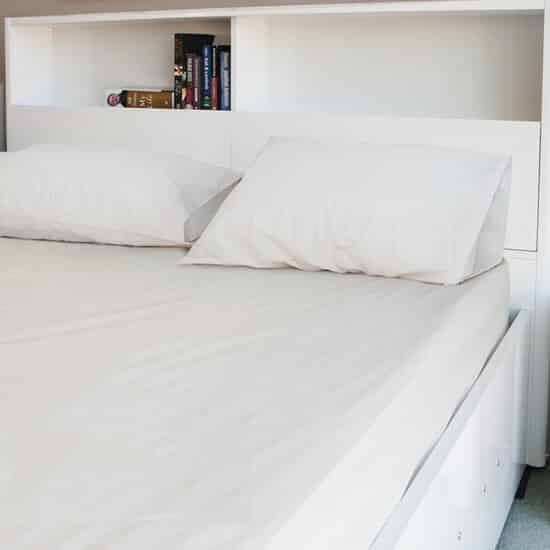
Sagging mattresses create a hammocking effect, pulling the spine out of neutral. Overly firm mattresses increase pressure on hips and shoulders, especially for side sleepers.
Signs your mattress may be contributing:
- Visible dips or uneven surfaces
- Increased pain when lying down, not just when standing
- Waking up stiff despite adequate sleep time
Most mattresses begin losing support after 7 to 10 years, sooner with daily use by heavier bodies.
The best mattress types for easier bed mobility (foam vs hybrid vs innerspring)
Each mattress type affects movement differently.
- Foam: Excellent pressure relief but can restrict movement if too soft
- Hybrid: Balanced support and responsiveness, often best for mobility
- Innerspring: Easier movement but may lack pressure relief
For caregivers, hybrids are often the safest recommendation because they allow repositioning without excessive sink while still protecting joints.
Firm, medium, or soft? How to match mattress feel to your body and sleep position
There is no universal firmness. The right feel depends on body weight, joint health, and sleeping position.
- Back sleepers often benefit from medium to medium firm
- Side sleepers usually need more pressure relief at hips and shoulders
- Stomach sleepers require firmer support to prevent spinal arching
Matching firmness correctly reduces nighttime pain and morning stiffness, which directly improves the ability to get in and out of bed.
Adjustable bases: when raising your head or legs reduces pain and strain
Adjustable bases are not just luxury items. They are functional tools for pain management and safer transfers.
Raising the head reduces spinal load during sit up movements. Elevating the legs can reduce lower back pressure and swelling.
For people with arthritis, circulation issues, or post surgery needs, adjustability can be the difference between independence and reliance.
Pillows and positioning fixes that reduce pressure fast (back, side, and stomach sleepers)
Pillows are often underestimated. Correct placement supports joints and maintains alignment throughout the night.
- Back sleepers benefit from a small pillow under the knees
- Side sleepers need a pillow between the knees to align hips
- Stomach sleepers should minimise pillow height to reduce neck strain
Improving sleeping position reduces overnight stiffness and morning pain without major expense.
Bedroom add ons that help you move safely: bed rails, grab handles, and transfer aids
When strength or balance is compromised, assistive devices provide confidence and safety.
Common options include:
- Bed rails for leverage during transfers
- Grab handles that slide under the mattress
- Transfer poles for stable vertical support
These tools are especially valuable for caregivers concerned about falls during night time movements.
The most common mistakes that make bed pain worse (and how to avoid them)
Some well meaning habits actually increase pain:
- Sitting straight up without rolling
- Using only the lower back to lift
- Ignoring mattress wear signs
Education and small adjustments often prevent the need for more invasive interventions.
When the mattress isn’t the problem: hip, knee, back, or balance red flags
Sometimes pain persists despite a supportive bed. Red flags include sharp joint pain, locking sensations, numbness, or frequent dizziness.
In these cases, professional assessment is essential. Mobility aids, physiotherapy, or medical review may be required alongside bedroom changes.
What to try first if you’re on a budget (toppers, supports, and small changes)
Not every solution requires a full bed replacement.
Budget friendly steps include:
- Mattress toppers for pressure relief
- Bed risers to correct height
- Strategic pillow placement
These changes often deliver noticeable improvement while planning long term solutions.
Beds & mattresses FAQs: when to replace, how long they last, and what to buy next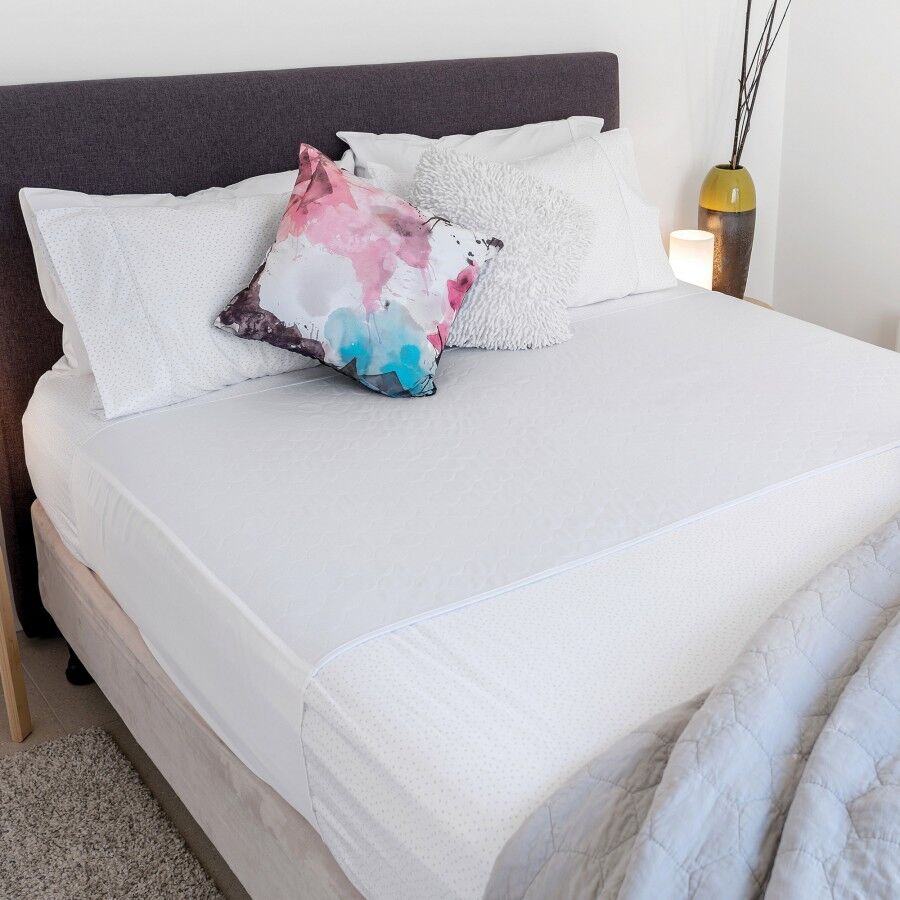
How long do mattresses last? Most last 7 to 10 years depending on materials and use.
When should you replace? If pain increases, sagging appears, or support feels uneven.
What should you buy next? Choose based on mobility needs, body support, and ease of movement, not just comfort in store.
A simple 3 step process to reduce bed pain starting tonight
Step 1: Fix movement technique using the log roll Step 2: Check bed height and pillow positioning Step 3: Assess mattress support and adjust if needed
See them smile with newfound independence by addressing bed pain early. Your loved ones deserve the best, and you do not have to navigate these decisions alone. At Able Medilink, we help caregivers across Australia find beds, mattresses, and mobility solutions that truly support everyday life, with expert guidance available online or at our Bentleigh showroom.
If this article helped, consider sharing it with someone who needs it, or reach out to our team for personalised advice on beds and mattresses designed for safer movement and better mornings.